If you are looking for a San Francisco neighborhood that feels residential, walkable, and distinctly local, Bernal Heights often stands out fast. You may be drawn to the views, the village-like feel along Cortland Avenue, or the mix of homes that gives the area so much character. This guide will help you understand what daily life in Bernal Heights actually feels like, from housing and parks to transit and everyday routines. Let’s dive in.
Bernal Heights at a glance
Bernal Heights is a hill-centered neighborhood with a strong identity shaped by Bernal Hill, wide-open views, and a daily rhythm that often involves walking down the hill for errands, coffee, or dinner. A commonly used neighborhood definition places it between Mission Street, Cesar Chavez Street, Bayshore and Highway 280, and Crescent Avenue. That geography helps explain why the neighborhood feels tucked in and connected at the same time.
One of the biggest draws is the landscape itself. Bernal Hill offers views of the San Francisco Bay, the Golden Gate Bridge, downtown, San Bruno Mountain, and the East Bay. The slopes are also described by the city as one of San Francisco’s few remaining natural refuges, which gives the neighborhood a feel that is hard to replicate elsewhere in the city.
Daily life feels local and walkable
For many residents, everyday life in Bernal Heights centers on Cortland Avenue. This corridor brings together small businesses, neighborhood services, and civic spaces in a compact, easy-to-navigate setting. It gives the area a village-scale feel that many buyers are looking for when they want city living without everything feeling rushed or anonymous.
A key anchor here is the Bernal Heights Branch Library at 500 Cortland Avenue. The branch has deep neighborhood roots, beginning as a deposit station in 1920, moving over time, and settling into its current building in 1940 before a renovation in 2010. The library, nearby murals, and children’s playground all add to the sense that Bernal Heights supports a steady, lived-in routine rather than just a scenic backdrop.
That everyday rhythm matters when you are choosing where to live. In Bernal Heights, it is easy to picture a day that includes a walk downhill, a stop on Cortland, some time at a park, and a bus ride back home. The neighborhood guide from the city emphasizes exactly that pattern of life.
Housing has variety and character
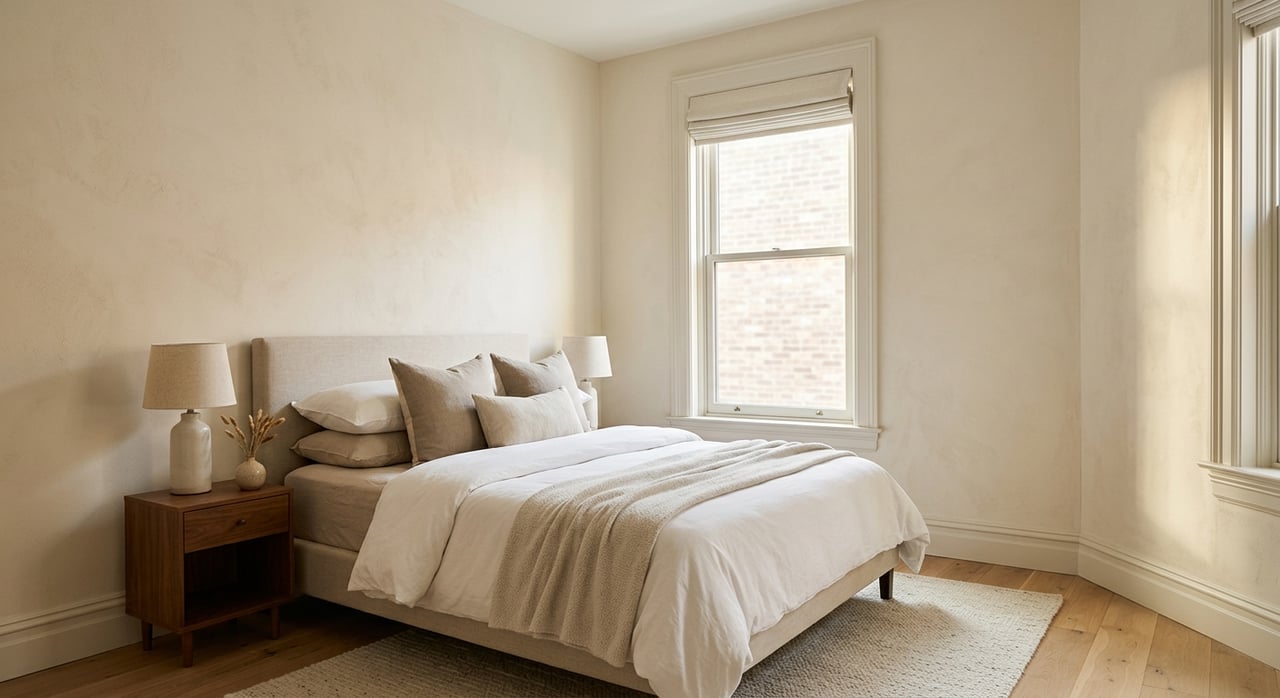
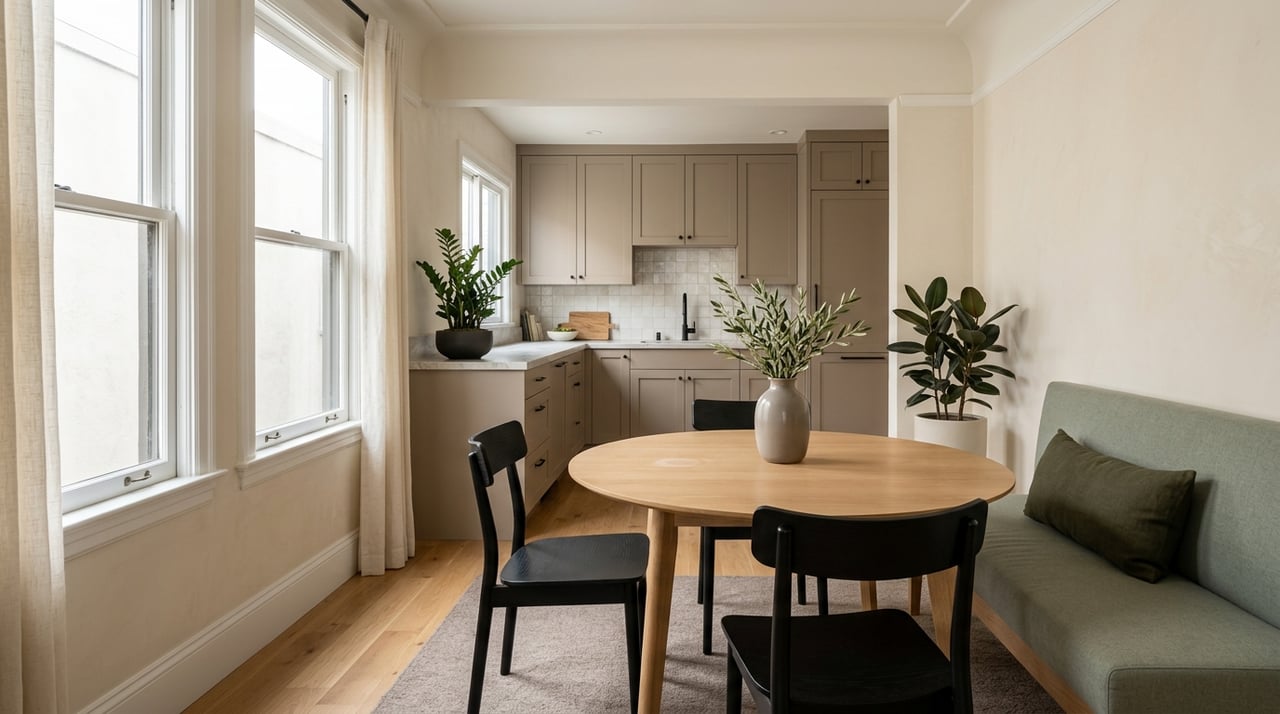
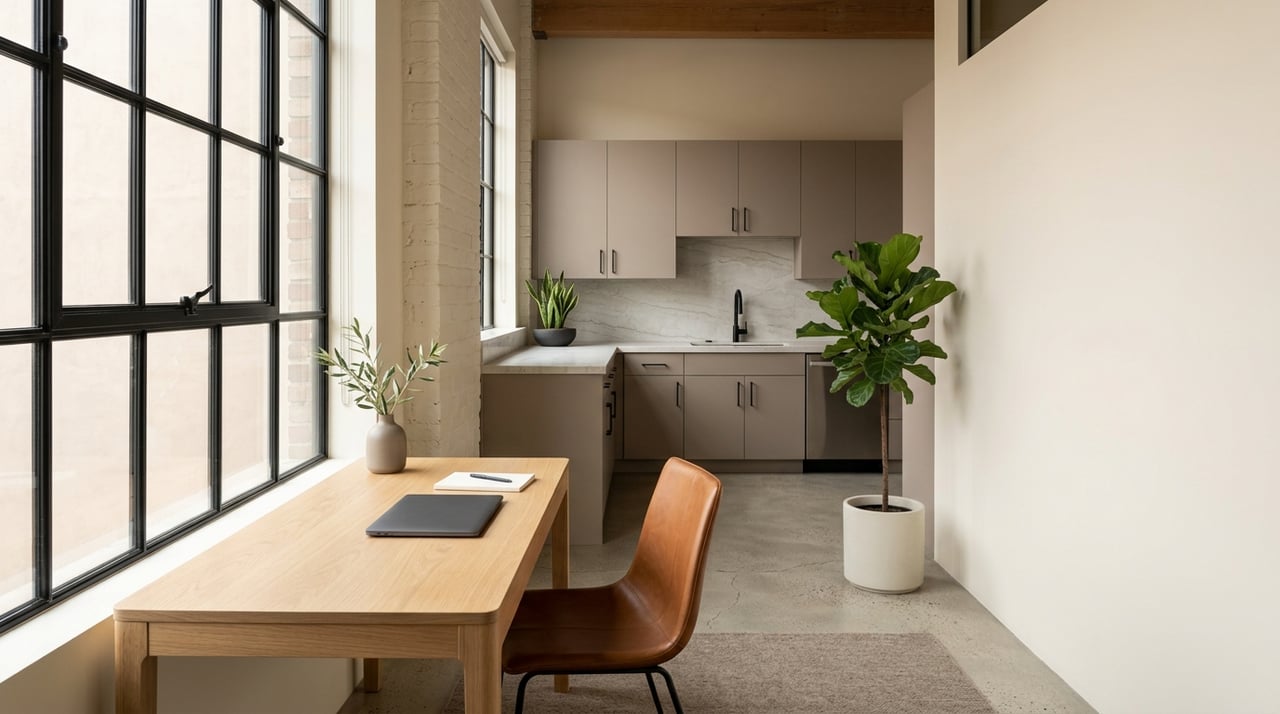
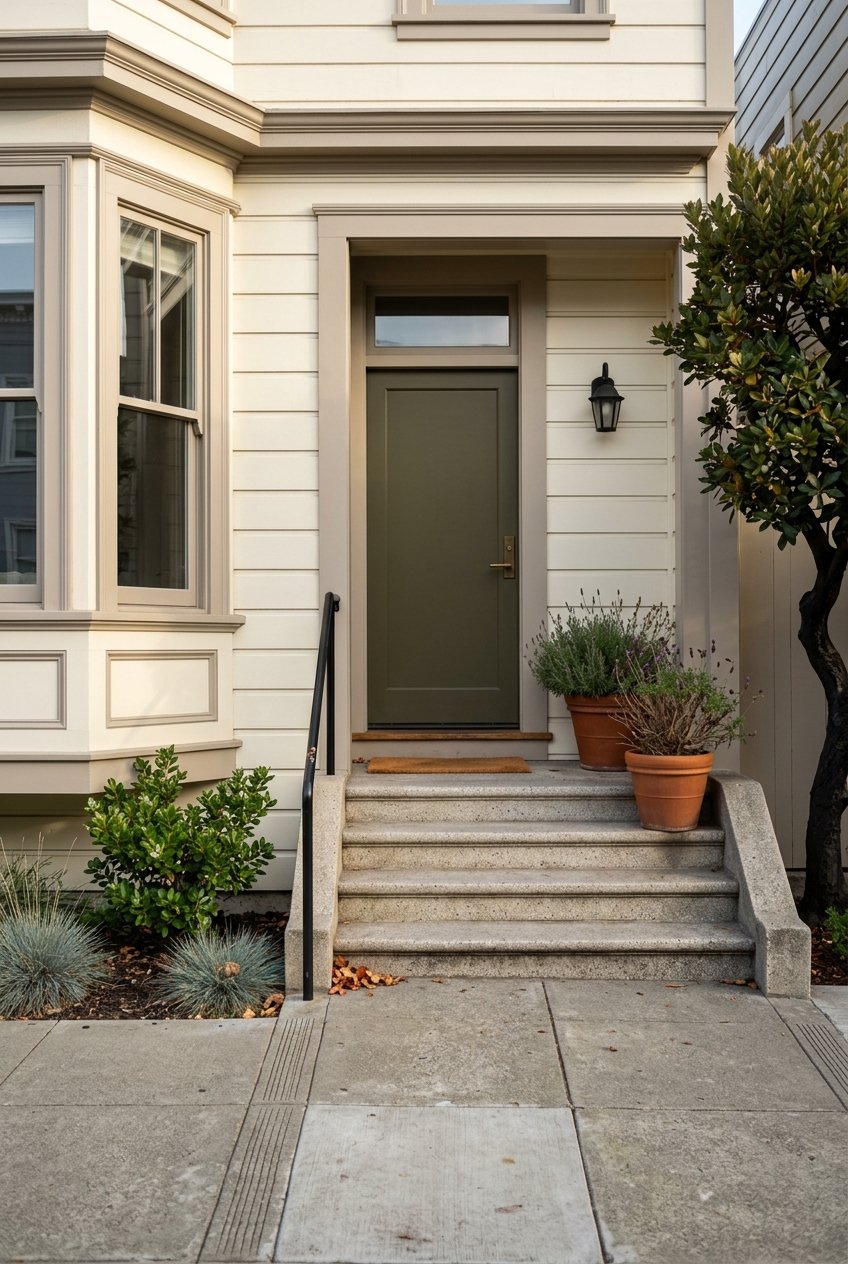
Housing in Bernal Heights is not one-note. The neighborhood includes Victorians, small cottages, and contemporary homes, which means your options can feel varied even within a relatively compact area. That mix is part of why buyers often see Bernal Heights as a place with both personality and range.
The neighborhood also has historic depth. More than 600 houses were built here in the year after the 1906 earthquake, and a small number of earthquake cottages still remain. If you appreciate older San Francisco housing stock, Bernal Heights offers that sense of continuity while still including homes that have been updated or built in more contemporary styles.
The built environment also feels intentionally scaled. Planning guidelines for the East Slope emphasize human scale, front-yard setbacks, landscaping, street trees, limited curb cuts, and roof forms that reduce visual bulk on sloped lots. In practical terms, that often translates into blocks that feel compact, residential, and visually cohesive.
The hills shape the lifestyle
Bernal Heights is beautiful, but it is also hilly. That may sound obvious, yet it has a real effect on how the neighborhood lives day to day. Streets can be steep, and that influences walking routes, parking, and even how you think about home access on a block-by-block basis.
For some buyers, that is part of the appeal. The hillside setting creates views, privacy, and a stronger sense of place. For others, it is a tradeoff worth evaluating carefully, especially if you want easier parking, flatter walking routes, or more direct access to transit.
This is where hyper-local guidance matters. Two homes may both be in Bernal Heights, but the lived experience can differ meaningfully depending on slope, street width, parking conditions, and how close you are to Cortland Avenue, park space, or transit stops.
Parks are a major part of Bernal living
Bernal Heights Park is the neighborhood’s signature open space, and it plays a big role in the area’s identity. It is a natural area with summit trails, panoramic views, a paved limited-access road, and off-leash dog play space. The park is also known for often staying sunny when Twin Peaks is fogged in during the afternoon, which adds to its appeal for people who want outdoor access close to home.
If you want more traditional neighborhood recreation, Holly Park adds another layer. It includes a renovated playground, tennis court, basketball court, baseball field, picnic areas, and a perimeter path. That gives residents options beyond the hill itself.
Precita Park offers a smaller, more casual setting with a butterfly garden, playground, picnic area, grassy field, and dog-friendly use. Nearby, Minnie & Love Ward Recreation Center expands the recreation picture even further with a 10-acre park, athletic fields, tennis and basketball courts, a community garden, open gym hours, and classes such as tai chi, Zumba, pickleball, and arts and crafts.
Errands and weekends are easy to picture
One of the best signs of a livable neighborhood is how easy it is to imagine your regular routine there. In Bernal Heights, that routine often includes neighborhood errands on foot and a short trip for a Saturday market run. The city notes that the Alemany Farmers Market operates on Saturdays from 7 a.m. to 3 p.m. and offers free on-site parking.
That kind of nearby weekend option can become part of your rhythm quickly. It supports a neighborhood lifestyle that feels grounded in repeatable habits rather than occasional outings. For many buyers, that is a big part of what makes Bernal Heights feel like home.
Transit works best as a connection network
Bernal Heights is served by a broad set of Muni routes, including the J Church, 9 San Bruno, 12 Folsom/Pacific, 14 Mission, 24 Divisadero, 27 Bryant, 49 Van Ness/Mission, 52 Excelsior, and 67 Bernal Heights. That gives residents multiple ways to connect to other parts of San Francisco. The neighborhood is best understood as transit-connected, though not in a one-seat-to-everywhere sense.
Route 24 runs 24 hours daily, with 10-minute weekday daytime service and 12-minute weekend daytime service. Route 67 runs daily from 6 a.m. to 10 p.m. with 20-minute service, and it includes stops on Cortland Avenue. That is especially useful because it ties the neighborhood’s main commercial corridor directly into the transit network.
For rail, 24th Street Mission Station is served by Muni and has no parking. Glen Park Station serves four BART lines and has 55 parking spaces. In real-life terms, that means Bernal Heights often works well for people who value connection to rail, but it is not primarily a park-and-ride neighborhood.
What buyers often love most
Bernal Heights tends to appeal to buyers who want a balance of character, views, and everyday function. The neighborhood offers a strong sense of place, a recognizable main corridor, and access to open space that feels unusually expansive for San Francisco. Many people also appreciate that the housing stock is mixed rather than repetitive.
Another advantage is that Bernal Heights can feel both peaceful and plugged in. You get a residential setting, but you are still connected to Muni, nearby BART options, and major city corridors. That combination is a big reason the neighborhood continues to attract lifestyle-driven buyers.
What to think through before moving
As appealing as Bernal Heights is, it helps to go in with a clear understanding of the tradeoffs. Hills are part of the experience, not an occasional feature. Depending on the block, that can affect your walk, your parking routine, and how often you choose to drive versus use transit.
Housing also varies more than some buyers expect. Older homes, cottages, and newer updates can all exist within the same neighborhood, so condition, layout, lot use, and block location matter a lot. If you are comparing properties here, the smartest approach is usually to look beyond broad neighborhood appeal and focus on the specific micro-location and property story.
Why Bernal Heights stands out
Bernal Heights stands out because it offers something many buyers want but struggle to find in one place: scenic surroundings, real neighborhood rhythm, varied housing, and practical city access. It feels personal rather than generic. You can see that in the hilltop views, the compact life around Cortland Avenue, and the way parks and residential streets shape daily routines.
If you are considering a move here, it helps to understand not just the neighborhood in general, but how each pocket lives block by block. That is often where the best decisions get made. If you want help thinking through Bernal Heights from a buyer’s or seller’s perspective, connect with Tracy Hsieh for thoughtful, local guidance.
FAQs
What is daily life like in Bernal Heights?
- Daily life in Bernal Heights often revolves around a residential hillside setting, walks to Cortland Avenue for errands or dining, and regular use of neighborhood parks and transit connections.
What types of homes are found in Bernal Heights?
- Bernal Heights has a mix of Victorians, small cottages, and contemporary homes, along with some surviving earthquake cottages that reflect the neighborhood’s history.
What parks are available in Bernal Heights?
- Bernal Heights Park, Holly Park, Precita Park, and Minnie & Love Ward Recreation Center give residents access to trails, views, playgrounds, sports courts, fields, picnic areas, and community programming.
What is transit like in Bernal Heights?
- Bernal Heights is served by multiple Muni lines, including the 24 and 67, and it connects to rail through 24th Street Mission Station and Glen Park BART Station.
Is Bernal Heights walkable for errands and dining?
- Yes, especially around Cortland Avenue, which serves as the neighborhood’s main corridor for small businesses, the library, and everyday local activity.
What should buyers consider before moving to Bernal Heights?
- Buyers should pay close attention to slope, street access, parking conditions, transit connections, and the specific condition and layout of each property, since block-by-block differences can be significant.